Guide
5 min read
Why HVAC Maintenance is Important
Keep your home comfortable year-round! Learn the key HVAC maintenance benefits to enhance efficiency, extend equipment lifespan, and lower energy costs today.


Regular HVAC maintenance is the proactive care that keeps heating, ventilation, and air conditioning systems operating safely, efficiently, and reliably in Wichita’s climate. This article explains what HVAC maintenance is, why it matters for energy efficiency, indoor air quality, equipment lifespan, and occupant safety, and how seasonal tune-ups prevent costly mid-season failures. Homeowners facing hot summers and cold winters need practical guidance on what a tune-up includes, how often to schedule service, and which preventative steps reduce downtime and bills. Below you’ll find clear, actionable checklists for AC and furnace maintenance, an analysis of how maintenance lowers energy use, and explanations of indoor air quality (IAQ) services that pair with routine care. The piece also outlines maintenance-plan options, financing and rebate pathways, and local considerations for Wichita properties to help you make decisions that protect comfort and HVAC investment. Read on for step-by-step tasks, data-driven benefits, and a brief note about how Kelley & Dawson Service supports Wichita homeowners with professional maintenance offerings.
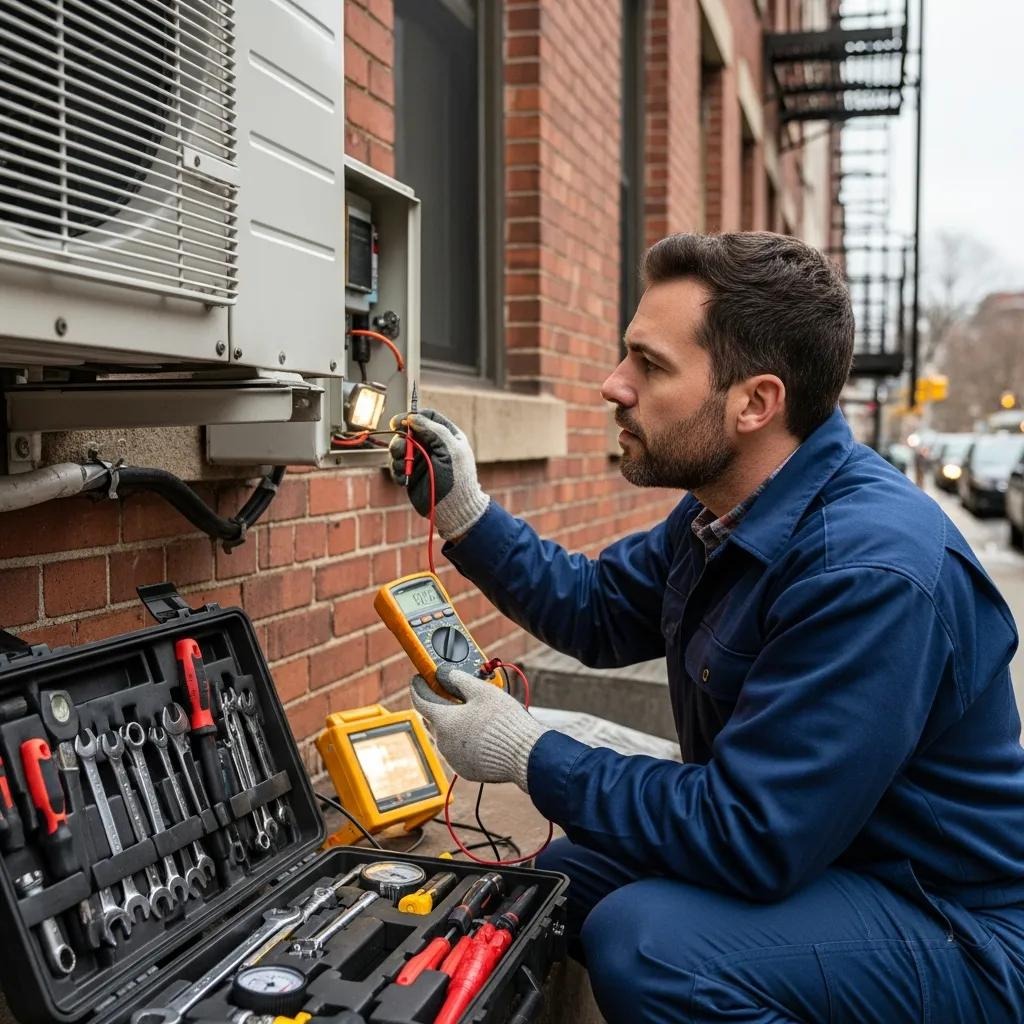
Ensuring your HVAC system runs smoothly with regular professional maintenance.
Regular HVAC maintenance optimizes system performance by addressing wear, airflow, refrigerant charge, and control calibration, producing measurable benefits in efficiency, lifespan, comfort, and safety. Maintenance reduces energy waste by ensuring components operate within design specifications, which lowers utility bills and limits emergency repairs during peak seasons. It also preserves manufacturer warranty conditions by documenting inspections and scheduled servicing, which matters when claims arise. The following list summarizes the primary benefits homeowners will see from routine preventative care and provides a quick reference for prioritizing service actions.
Regular HVAC maintenance delivers five core homeowner benefits:
The list above highlights what owners gain from consistent service; next we quantify energy savings and show how specific maintenance actions convert to lower bills.
Different maintenance actions impact energy use and annual cost savings in distinct ways, depending on system age and local usage patterns. The table below provides a concise comparison of common energy-related benefits and typical savings ranges, helping homeowners estimate return on preventative maintenance.
This comparison shows how combined maintenance tasks compound to meaningful savings and reinforces why scheduled tune-ups can pay for themselves over time. The next section explains how those efficiency gains are achieved in practice and offers an example savings scenario.
Regular maintenance translates directly into tangible energy savings for homeowners.
HVAC maintenance improves energy efficiency by restoring proper airflow, optimizing refrigerant charge, and ensuring controls and thermostats operate accurately, which reduces the energy required to reach set temperatures. Clean filters and coils lower compressor and fan loading, cutting run-times and electrical demand; calibrated thermostats avoid overshooting setpoints and minimize cycling. Recent studies and industry guidance suggest regular maintenance can reduce energy use approximately 5–15% depending on baseline condition, system type, and local climate stress. For example, a three-ton air conditioning system in Wichita that reduces run-time by 10% through tune-ups can yield noticeable utility savings across a long summer; annual savings estimates vary based on usage and local electricity rates. Understanding these mechanisms supports the decision to schedule seasonal service before peak cooling or heating months.
Improved energy performance naturally leads to fewer stress-related failures, which connects energy efficiency to system longevity and reliability. The next subsection explains how maintenance extends equipment life through wear reduction and part preservation.
Maintenance extends HVAC lifespan by reducing mechanical stress, preventing corrosion, and catching small faults before they cause major failures, which collectively preserve major components like compressors, heat exchangers, and motors. Lubrication, belt adjustments, and cleaning reduce friction and thermal strain, while timely refrigerant and electrical checks prevent damage from overheating or inadequate charge. Industry guidance indicates well-maintained systems often achieve two to five additional years of service compared with neglected units, while documented service also improves resale value and warranty standing. Real-world cases show that scheduled part replacements and proactive control updates turn early investments into years of deferred capital expenditure.
Extending lifespan also reduces total cost of ownership by lowering replacement frequency; next we explore why seasonal AC tune-ups are especially critical in Wichita's hot summers.
Furnace preventative maintenance reduces safety risks and preserves heating reliability by inspecting combustion systems, venting, electrical safety controls, and the heat exchanger for cracks or corrosion. The core mechanism is preventative detection: scheduled inspection of burners, ignition systems, flame sensors, and venting prevents incomplete combustion, carbon monoxide hazards, and sudden failures during cold snaps. Maintenance also improves operational efficiency by ensuring proper fuel-to-air ratio, clean burners, and correct limit-switch calibration, which reduces fuel consumption and stabilizes indoor temperatures. For homeowners, the payoff is consistent winter comfort and reduced need for emergency heating repairs during the coldest periods when services are in highest demand.
Thorough furnace inspections are crucial for winter safety and comfort.
A clear list of furnace maintenance steps prepares homeowners to understand what technicians will do and when to call for service.
These steps combine safety and performance checks; the next subsection details specific maintenance tasks and warning signs that should prompt immediate attention.
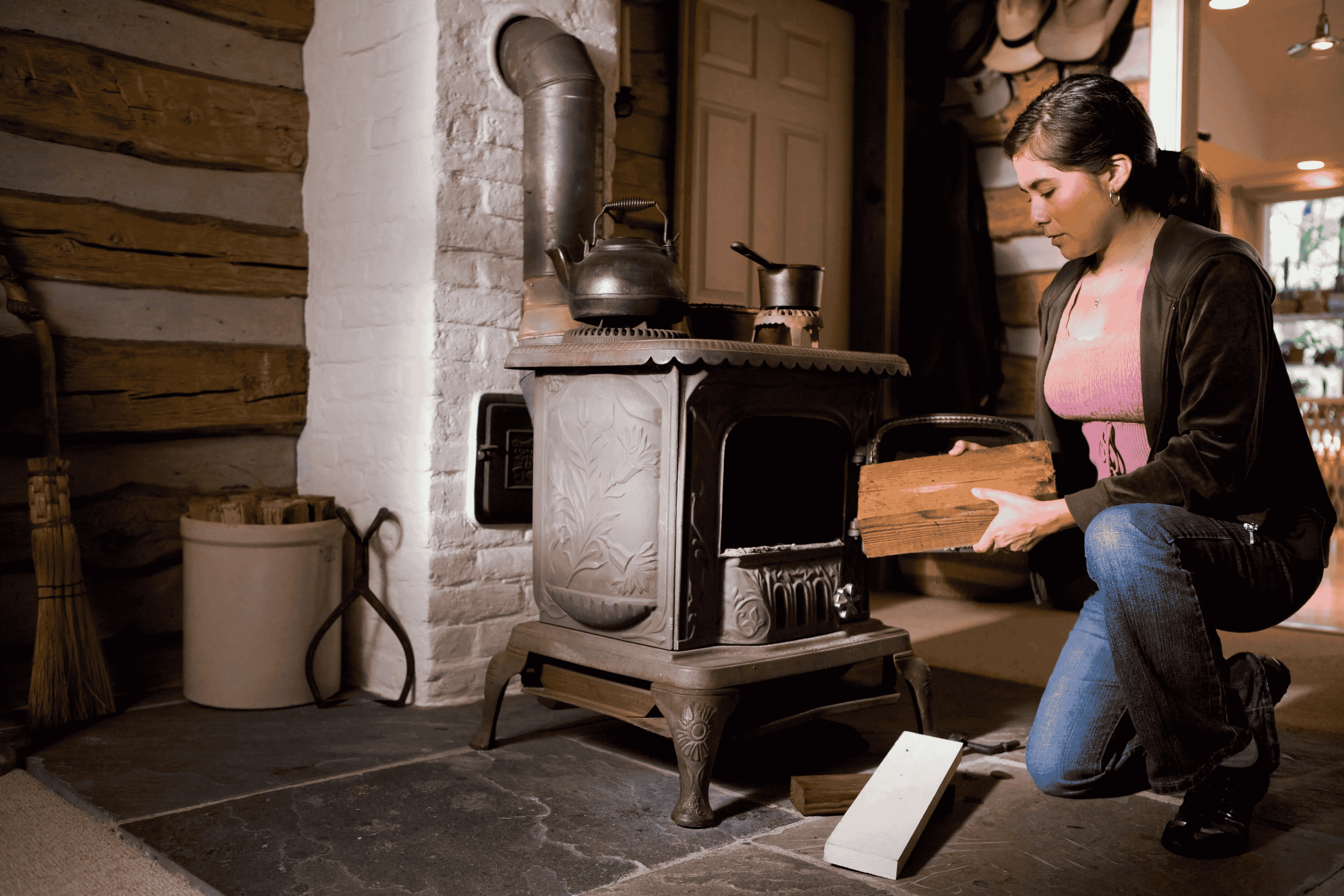
Key furnace maintenance steps include cleaning burners and combustion chambers, inspecting the heat exchanger for integrity, checking and sealing venting and flue connections, replacing or cleaning filters, and testing safety controls and thermostat calibration. Each step reduces a specific risk: burner cleaning prevents soot buildup that impairs combustion, heat exchanger inspection addresses the catastrophic risk of cracks and CO leaks, and safety-control tests ensure orderly shutdown in abnormal conditions. Technicians also verify proper airflow to avoid overheating and test ignition sequences to prevent delayed ignition events. Homeowners should notice improved startup reliability, more consistent temperatures, and quieter operation after routine service.
Catching problems early reduces costly repairs; the next subsection explains how regular care prevents expensive failures and ties to maintenance-plan value.
Regular furnace care prevents costly repairs by identifying component wear—such as failing ignition modules, worn bearings, or cracked heat exchangers—before those issues escalate into system breakdowns that require expensive parts or full replacement. Scheduled lubrication, electrical tightening, and control adjustments reduce stress on motors and blowers, extending component life and decreasing the chance of sudden, high-cost failures during peak winter demand. Statistics from industry sources show that preventative furnace service correlates with lower emergency-service incidence and reduced average repair costs over a system’s life. Maintenance plans that include scheduled inspections and priority scheduling further lower the financial and comfort impact of winter failures.
Preventing failures also enhances indoor air quality, which is covered in the next section focused on IAQ benefits of regular HVAC service.
Regular HVAC service improves indoor air quality by ensuring filters are changed, coils and ducts remain clean, and ventilation components function correctly to control humidity and particle circulation. The mechanism is straightforward: maintenance removes accumulated dust, biological growth, and particulates from the airstream and restores designed ventilation rates so HVAC systems can reduce allergens, mold spores, and airborne contaminants. For households with allergy or asthma concerns, routine service combined with targeted IAQ upgrades significantly lowers symptom triggers and contributes to healthier indoor environments. Below are practical actions homeowners can expect during service and how those actions impact IAQ metrics.
Maintaining clean filters and ducts is vital for superior indoor air quality.
Core IAQ improvements from HVAC maintenance include:
These interventions combine to reduce allergen loads and improve occupant comfort; the next subsection explains which maintenance tasks most directly reduce allergens and particulate counts.
Maintenance improves air filtration and reduces allergens by replacing or upgrading filters to recommended MERV levels (typically MERV 8 to 13 for residential systems), cleaning coils and ducts to remove settled particulates, and verifying that airflow rates meet design specifications so filters can function effectively. Upgrading to a higher-MERV filter when compatible with system fan capacity increases particle capture, while cleaned coils prevent microbial growth that contributes to odor and allergen recirculation. Technicians may also recommend targeted IAQ devices for persistent issues, and regular maintenance ensures those devices integrate properly with the HVAC system. The combined effect is measurable reductions in particulate loads and symptomatic relief for allergy sufferers.
Complementary IAQ solutions are often offered within maintenance plans; the next subsection outlines common IAQ equipment included in service offerings.
Maintenance plans commonly include or pair with IAQ solutions such as whole-house air cleaners, air scrubbers, UV coil sterilizers, and humidifiers/dehumidifiers, each addressing specific indoor contaminants or humidity imbalances. Whole-house air cleaners improve particulate capture across the entire ducted system, while UV treatments reduce biofilm on coils and within ductwork, limiting microbial regrowth. Humidification and dehumidification solutions help maintain relative humidity in the optimal range (typically 30-50%) to deter mold or irritation. These IAQ products complement routine filter changes and duct inspections, and technicians integrate their operation into regular service visits to ensure combined effectiveness.
Integrating IAQ solutions into a maintenance plan improves long-term indoor health and system performance; the next section discusses maintenance plans, financing, and rebates that make staying current more affordable.
Maintenance plans maximize HVAC investment by bundling scheduled inspections, priority scheduling, and discounts on parts or labor to reduce downtime and lower lifetime operating costs. The core benefit is reduced total cost of ownership: planned service prevents emergency repairs, improves efficiency, and often extends equipment life. Financing options and rebates further reduce upfront barriers to upgrades or major repairs by spreading cost or offsetting purchase price through incentives. Below is a compact comparison of common plan features and their direct customer impacts to help homeowners evaluate options.
This table clarifies how plan features translate into tangible outcomes for homeowners and frames the decision to enroll as both convenience and risk-reduction. The following subsections describe specific plan features Kelley & Dawson offers and how financing and rebates can make maintenance affordable.
Maintenance plans offer peace of mind and financial benefits through scheduled service.
Flexible financing and available rebates reduce upfront costs for repairs, replacements, and upgrades by spreading payments or applying incentives that lower net price. Kelley & Dawson partners with Wells Fargo for consumer financing, which allows qualified homeowners to finance larger projects and align monthly payments with budget needs. In addition, federal tax credits, manufacturer rebates from manufacturers like Daikin, and local energy utility rebates (such as Evergy) can offset equipment or installation costs when eligibility criteria are met. Homeowners should verify current rebate and tax-credit availability and consult technicians for the documentation required to claim incentives.
With financing and rebates, investing in preventative maintenance or efficiency upgrades becomes more accessible; the next section explains why Kelley & Dawson is a fit for Wichita homeowners seeking reliable maintenance.
Kelley & Dawson Service is a family-owned and operated local provider offering HVAC maintenance, repair, and installation services across Wichita and surrounding communities, with technician practices focused on professionalism, cleanliness, and customer comfort. The company holds Trane certification and Daikin Comfort Pro status, signaling manufacturer-level expertise and access to authorized support resources. Kelley & Dawson emphasizes priority scheduling for maintenance-plan members and maintains 24/7 emergency service availability to respond during critical outages.
Kelley & Dawson Service: Your trusted local HVAC experts in Wichita.
The section below outlines technician standards and what homeowners can expect during a service visit, offering clarity on professional conduct and service delivery.
Homeowners who maintain scheduled service with Kelley & Dawson often report improved comfort, fewer emergency service calls during seasonal peaks, and clearer documentation for warranty or resale needs. Regular maintenance leads to measurable energy and reliability improvements in many homes, and the company’s priority scheduling helps minimize downtime during hot summers or cold winters. While individual results vary by system and usage patterns, documented service history and manufacturer-aligned maintenance typically translate to lower lifetime costs and greater occupant comfort. To schedule maintenance or discuss plan enrollment, homeowners can contact Kelley & Dawson Service by phone or consult the company’s maintenance information for next steps.
Schedule Your HVAC Maintenance Today!


Buy today, pay over time with the Wells Fargo Home Projects Credit Card¹, issued with approved credit by Wells Fargo Bank, N.A., an Equal Housing Lender. With approved credit from Wells Fargo, you’ll enjoy:
Plus, by taking advantage of financing, you won’t use up your existing funding sources, like a home equity line of credit, other credit card or bank account. They’ll still be available when you need them.
Please contact us to find out which financing options are available to you, or to learn about special financing promotions.
¹ Subject to credit approval. Call for details.
² The [Card Name] credit card is issued with approved credit by Wells Fargo Bank, N.A. Ask for details.